

I’m scheduled for dental implant surgery in mid-August. I have not told the dental implant surgeon that I am on methadone. I mentioned that I used to take Suboxone, and they got really anxious. So, I’ve hesitated to tell them about the methadone because they will probably cancel my surgery. I am afraid not to tell them about the methadone, though, because I know they need to sedate me. Can I make it through surgery without them knowing that I use methadone? – Thanks. Karlos from Chicago
Karlos,
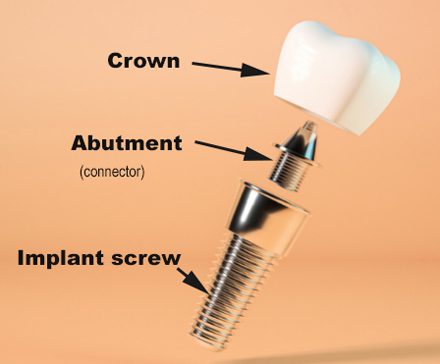
Tell your dentist and periodontist about all your medications and any substance us before dental implant surgery
You must inform your surgeon about your methadone use, including your current dose and frequency. For your safety and to ensure you receive adequate sedation during your procedure, your surgical team needs to adjust its medication plan. This adjustment considers not only the amount of methadone in your system at the time of surgery but also how long-term opioid use can affect your body’s chemistry.
Please don’t worry that disclosing this information might cause them to refuse your treatment. Adjusting a sedation regimen to account for other medications isn’t particularly difficult for experienced professionals. If your surgical team seems unwilling to customize their approach for you or dismisses your concerns as unimportant, consider that a significant red flag. Your well-being is paramount, and you deserve a team that prioritizes it.
How to Find a Dental Implant Specialist
You should feel confident that your dental team genuinely cares about your needs. When looking for a new provider, consider starting with a general dentist rather than immediately seeking an oral surgeon or a periodontist (a dental implant specialist). Even when a specialist performs the implant placement, the overall implant case planning is typically overseen by a general dentist. A dentist with extensive training in cosmetic dentistry and dental implant restoration will collaborate by referring you to a surgeon or periodontist for implant placement, while they handle the restorative phase. The key is to find a professional with the correct credentials and expertise to ensure your care is comprehensive and tailored to your needs.
Dr. David Pumphrey, an Atlanta periodontist, sponsors this post.

 You have probably heard of the phrase “laughing gas,” but you may not know that it refers to nitrous oxide. This is a sedative gas that is breathed in through your nose while the dentist is working on your teeth. You can see an example of this nose mask in the image above: it covers just the nose, leaving the mouth free for the procedure. The gas produces a mildly euphoric state that can help you relax completely while remaining awake and aware. And for many patients who have a harder time getting completely numb, it can increase the effectiveness of novocaine, making dental care a much less frightening experience. And once the procedure is done and the nitrous oxide stops flowing, your mom will be ready to go about her daily life activities, including driving, because there are no after-effects of the gas.
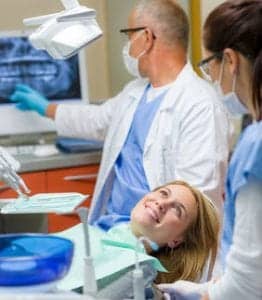 Nitrous oxide is a sedative that is breathed in along with oxygen through your nose. It’s often been called “laughing gas” because it produces a very nice relaxed state that can ease any anxiety and help novocaine work more effectively. The great thing about novocaine is that once you stop breathing it, the effects are gone immediately, so you can drive and return to work or other activities quickly.