
 Is it true that gum disease can cause Alzheimer’s disease? Is 50+ too late to start flossing? – Thanks, Gary from San Francisco
Gary,
A Science Advances research article published study results from an examination of a potential link between periodontal disease and Alzheimer’s disease. The study focused on Porphyromonas gingivalis, a primary pathogen in chronic gum infections.
This bacterium thrives in oxygen-poor environments. When gum inflammation affects periodontal pockets, oxygen levels decrease, allowing P. gingivalis to multiply.
Why Is This Bacteria Significant?
P.gingivalis releases enzymes called gingipains. These toxins destroy bone and connective tissue around teeth. While periodontal disease involves multiple bacteria, P. gingivalis is present in many advanced cases.
Researchers detected both the bacteria and their toxins in the brains of Alzheimer’s patients. Also, gingipains damage nerve tissue.
The bacteria produce peptides associated with amyloid plaque formation, which were first observed in 1906 by Alois Alzheimer and described in his writings about the disease.
What Did Animal Research Demonstrate?
To further test the theory, scientists infected the gums of mice with P. gingivalis. The infection did not remain confined to the mouth.
They documented:
- Bacterial presence in brain tissue
- Elevated levels of Aβ1–42 peptide (associated with amyloid plaque formation)
- Changes consistent with amyloid plaque development
These findings suggest a biological pathway linking oral infection to brain pathology.
How Should Patients React?
When gum infection in animal models leads to brain colonization and plaque-related changes, the evidence suggests that chronic periodontal infection may contribute to the development or progression of Alzheimer’s disease. However, more research is needed to clarify the connection.
Maintaining healthy gums may play a more crucial role in overall health than we previously understood. If you have gum disease, it’s not too late to see a periodontist for treatment.
Is It Too Late to Start Flossing?
It is not too late to start flossing. A 2020 Journal of Dental Research article reports that senior adults who floss have better oral health than their peers who do not floss. Those who floss have lower rates of gum disease, cavities, and tooth loss.
Dr. David Pumphrey, an Atlanta periodontist, sponsors this post.
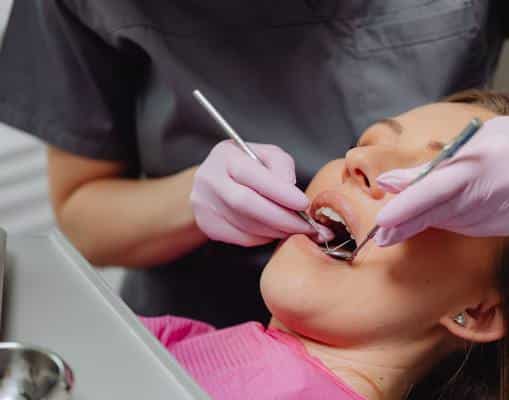 I think the hygienist permanently damaged my gums. She dug so deeply beneath my gums that they were bleeding throughout the appointment. I’ve never had to rinse my teeth so much. It felt like she was slicing my gums repeatedly. She said I had a lot of tartar that looked like it had been there for years. The appointment was so long. I wanted to leave, but I was afraid she might be right. Could I have permanent gum damage? – Thanks. Antonio from VA
 I don’t have a regular dentist, but for the past 2 months, my tooth and gums have been hurting and getting worse. Last Friday, a dentist took me as an emergency patient. After the exam, he only gave me something for pain. He said he wasn’t sure where the pain was coming from, and I needed to see a specialist. Why wouldn’t a dentist be able to figure out why my tooth and gums hurt? He just looked at my tooth. Would an x-ray have helped? Do I really need to see a specialist, or can I go to another dentist who takes same-day appointments? Nigel
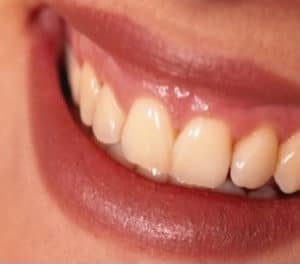 Sore gums are common. Gum disease is usually the cause, but it is not always the problem. If your gums are sore, don’t ignore them. Why not? Healthy gums cover the tooth neck—between the crown and roots. Our gums protect tooth roots and the bone that supports them. So, a gum problem can lead to issues with your teeth or bone. What could be the cause of your sore gums? We explain seven possible causes of sore gums what to do about them.