

I periodically get a bump behind my front tooth. Usually, they go away, but this one has been here for over a two days. Is this nothing to worry about or should I get it seen? My dentist didn’t mention anything last visit, but I’ve never had a bump stay this long before.
Dalton
Dalton,
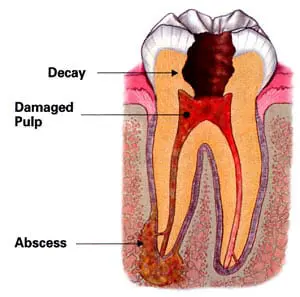
If I were your dentist, the first thing I’d be looking for is gum disease. What you’ve described sounds like a pimple on your gums which can be an abscess. This is an infection. It can be an infection on your gums from gum disease or one spilling out from an infected tooth.
Sadly, some dentists, more than I care to admit, don’t screen for gum disease. That is the first thing I’d check. If it turns out you are showing signs, I would request a referral to a periodontist. These are gum disease specialists. Often this can sneak up on patients because the signs are invisible at first. If it is allowed to progress too far, it can advance enough that your adult teeth start to come loose. A periodontist can get your gums healthy much faster than a traditional dentist.
If it is a tooth infection, which means decay reached the pulp of your teeth, then the appropriate treatment is to have a root canal done. This cleans all the infected pulp out of the tooth. Often it requires a dental crown as well because the tooth becomes brittle.
Some patients are intimidated by having their gums worked on. This is especially true during gum disease because their gums are tender. If you have any concern or anxiety about this, you can always visit a periodontist who offers dental sedation options. This won’t knock you out, but does completely relax you and you will have a pain-free appointment.
This blog is brought to you by Atlanta Periodontist Dr. David Pumphrey.
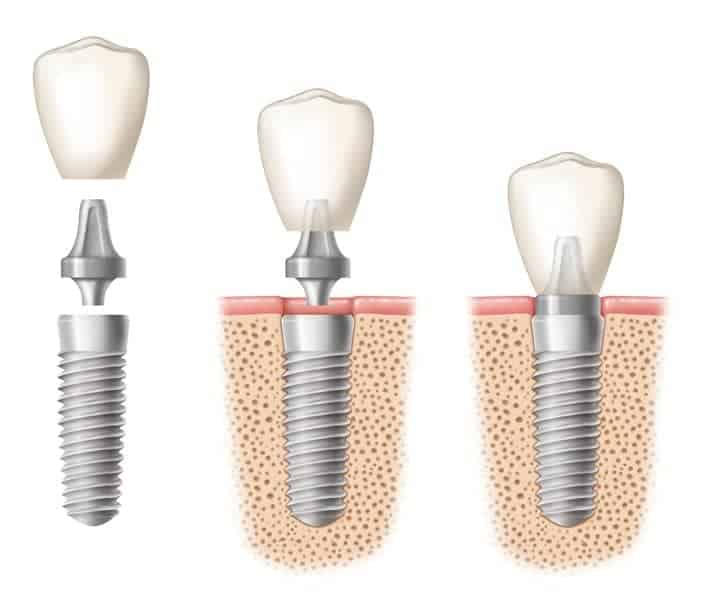
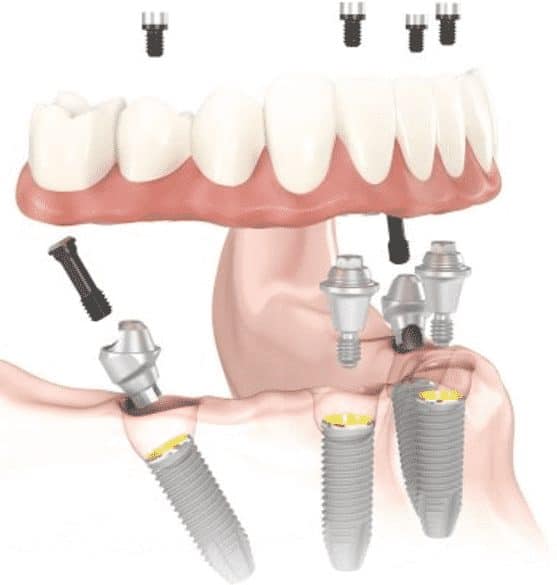
 You have probably heard of the phrase “laughing gas,” but you may not know that it refers to nitrous oxide. This is a sedative gas that is breathed in through your nose while the dentist is working on your teeth. You can see an example of this nose mask in the image above: it covers just the nose, leaving the mouth free for the procedure. The gas produces a mildly euphoric state that can help you relax completely while remaining awake and aware. And for many patients who have a harder time getting completely numb, it can increase the effectiveness of novocaine, making dental care a much less frightening experience. And once the procedure is done and the nitrous oxide stops flowing, your mom will be ready to go about her daily life activities, including driving, because there are no after-effects of the gas.
 Nitrous oxide is a sedative that is breathed in along with oxygen through your nose. It’s often been called “laughing gas” because it produces a very nice relaxed state that can ease any anxiety and help novocaine work more effectively. The great thing about novocaine is that once you stop breathing it, the effects are gone immediately, so you can drive and return to work or other activities quickly.
 IV sedation causes a more profoundly relaxed state, almost like sleep. You will be awake and aware enough to respond to requests to open your mouth, etc., but you will likely not remember anything about the procedure. Again, with this type of sedation, you will need someone to drive you home after your appointment.